RAM Types Explained: DDR4 vs DDR5 vs LPDDR — What Really Matters Before Buying
Confused between DDR4, DDR5, and LPDDR RAM? This detailed guide explains real-world performance differences, power efficiency, upgradeability, and which RAM type you should choose before buying a laptop.
RAM Types Explained: DDR4 vs DDR5 vs LPDDR — What Really Matters Before Buying
Most laptop buyers look only at how much RAM a system has — 8GB, 16GB, or 32GB. But the type of RAM matters just as much, sometimes even more.
DDR4, DDR5, and LPDDR are built for very different goals, and choosing the wrong one can affect performance, battery life, and upgrade options long after purchase.
Why RAM Type Is Important
RAM directly affects how smoothly your laptop handles multitasking, heavy applications, and future software updates.
- Performance under load
- Battery efficiency
- Upgradeability
- Longevity of the laptop
This is why two laptops with the same processor and same RAM size can feel very different in daily use.
Quick Comparison: DDR4 vs DDR5 vs LPDDR
| Feature | DDR4 | DDR5 | LPDDR |
|---|---|---|---|
| Performance | Good | Better | Optimized |
| Power Consumption | Moderate | Improved | Lowest |
| Upgradeability | Yes | Yes | No (Soldered) |
| Used In | Mainstream laptops | Newer performance laptops | Thin & light laptops |
DDR4 RAM Explained
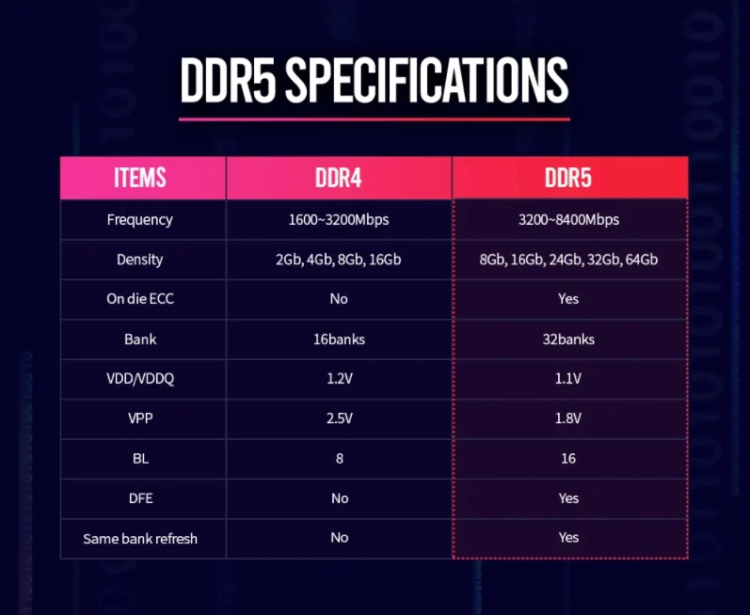
DDR4 has been the standard RAM type for several years. It offers stable performance and wide compatibility. Advantages:
- Upgradeable in most laptops
- Stable and well-supported
- Affordable
- Lower bandwidth than DDR5
- Slightly higher power usage
DDR4 is still perfectly fine for office work, programming, and everyday multitasking.
DDR5 RAM Explained
DDR5 is the newer generation of system memory. It provides higher bandwidth and better efficiency. Advantages:
- Higher data transfer speeds
- Better multitasking under heavy loads
- More future-proof
- Slightly higher cost
- Performance gains depend on workload
DDR5 shines in laptops designed for sustained performance such as content creation and heavier multitasking.
LPDDR RAM Explained (LPDDR4X / LPDDR5)
LPDDR (Low Power DDR) is designed for efficiency. It is commonly found in thin, premium laptops. Advantages:
- Excellent battery life
- Lower heat generation
- Compact design
- RAM is soldered and cannot be upgraded
This means the RAM configuration you buy is the RAM you keep for the lifetime of the laptop.
Real-World Performance Differences
In daily tasks like browsing and document editing, DDR4, DDR5, and LPDDR feel similar. The differences appear under heavier workloads.
- Multitasking: DDR5 handles heavy multitasking better
- Battery life: LPDDR offers noticeably longer usage
- Longevity: Upgradeable DDR4/DDR5 laptops age better
Upgradeability: The Hidden Trap
Many modern laptops use LPDDR RAM to achieve thin designs. While efficient, this removes any upgrade option.
Buying a laptop with 8GB LPDDR RAM today can become a limitation much sooner than expected. Recommendation:
- If LPDDR → buy at least 16GB
- If DDR4/DDR5 → check upgrade slots
Which RAM Type Should YOU Choose?
| User Type | Recommended RAM |
|---|---|
| Students & Office Users | DDR4 / DDR5 |
| Creators & Developers | DDR5 |
| Travel & Battery-focused Users | LPDDR (16GB minimum) |
| Long-term Value Seekers | Upgradeable DDR4/DDR5 |
Final Verdict
RAM type matters more than most people realize. DDR4 remains reliable, DDR5 offers better future-proofing, and LPDDR delivers unmatched efficiency at the cost of upgradeability.
Before buying, always check not just the RAM size, but the RAM type — it will define how long your laptop stays usable.
What's Your Reaction?