Best Smartphones Under $300 (2026): In-Depth Buyer’s Guide
This in-depth buyer’s guide compares the best smartphones under $300 in 2026, focusing on real-world performance, display quality, battery life, cameras, and long-term value.
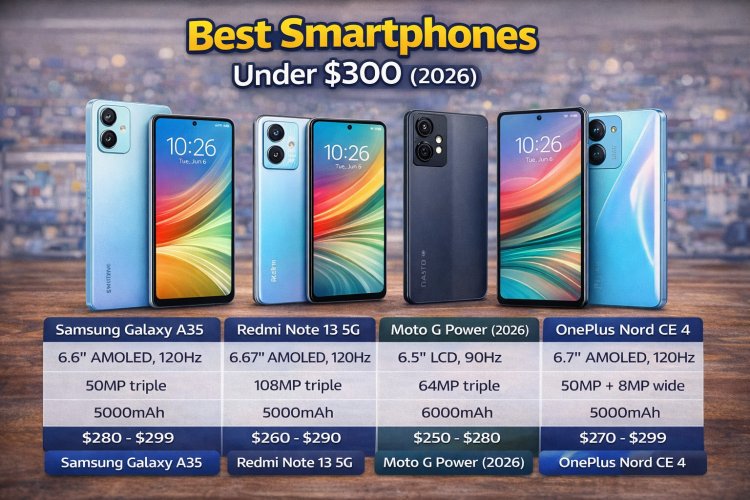
Best Smartphones Under $300 (2026): In-Depth Buyer’s Guide
The sub-$300 smartphone segment has become one of the most competitive markets in recent years. Manufacturers now offer high-refresh-rate displays, capable processors, large batteries, and surprisingly good cameras at prices once considered entry-level.
In 2026, choosing the right smartphone under $300 is no longer about compromises — it is about understanding trade-offs. This guide focuses on real-world usage, long-term ownership, and practical value, not just impressive numbers on a specification sheet.
What You Should Expect Under $300
Smartphones in this price range are designed to deliver a balanced experience. While you should not expect flagship-grade materials or professional cameras, you can expect solid daily performance and features that matter most.
- AMOLED or high-quality LCD displays with 90Hz–120Hz refresh rates
- Reliable mid-range processors capable of multitasking
- 5000mAh-class batteries for full-day usage
- Modern software with regular security updates
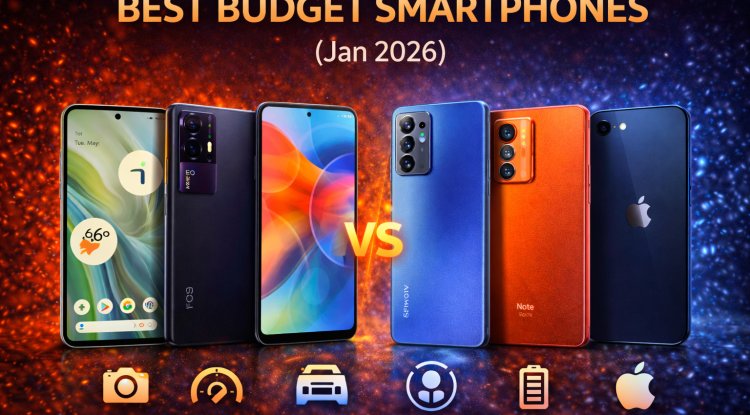
Quick Comparison Overview
| Smartphone | Display | Processor | Battery | Best For |
|---|---|---|---|---|
| Samsung Galaxy A35 | 6.6-inch AMOLED, 120Hz | Mid-range Exynos | 5000mAh | Balanced performance & reliability |
| Redmi Note 13 5G | 6.67-inch AMOLED, 120Hz | Dimensity series | 5000mAh | Display & fast charging |
| Moto G Power (2026) | 6.5-inch LCD, 90Hz | Snapdragon mid-range | 6000mAh | Battery life & clean software |
| OnePlus Nord CE 4 | 6.7-inch AMOLED, 120Hz | Snapdragon series | 5000mAh | Performance-focused users |
Design, Dimensions & In-Hand Feel
At this price point, most phones use plastic frames and backs, but design execution varies significantly. Some devices feel bulky despite similar dimensions, while others distribute weight better and remain comfortable during long usage.
Ergonomics, button placement, and weight balance play a bigger role in daily comfort than material choice alone.
Display Quality: More Than Just Refresh Rate
High refresh rate displays are now common under $300, but brightness consistency, color calibration, and outdoor visibility are just as important.
AMOLED panels generally offer deeper blacks and better contrast, while high-quality LCD panels can still deliver accurate colors with improved battery efficiency.
Performance & Day-to-Day Usage
All smartphones in this segment handle browsing, streaming, messaging, and social media smoothly. Performance differences become noticeable during gaming, heavy multitasking, and extended usage sessions.
Software optimization often matters more than raw hardware, and a well-tuned device can feel faster over time than one with higher specifications but poor optimization.
Camera Performance
Camera quality under $300 has improved significantly, but expectations should remain realistic. Image processing, autofocus reliability, and stabilization are more important than megapixel counts.
Daylight photography is generally strong across the board, while low-light and video performance vary depending on software tuning.
Battery Life & Charging
Battery endurance is one of the strongest aspects of this segment. Most devices comfortably last a full day, with some extending into a second day depending on usage.
Fast charging is increasingly common, but charging speed should be balanced with heat management and long-term battery health.
Software & Long-Term Ownership
Software experience plays a major role in long-term satisfaction. Clean interfaces with minimal background processes tend to age better over time.
Security updates and stability often matter more than new features, especially for users planning to keep their phone for several years.
Who Should Buy a Smartphone Under $300?
- Users seeking a reliable daily device without overspending
- Students and professionals who value balance over raw power
- Content consumers prioritizing display and battery life
- Upgraders moving from older or entry-level smartphones
Final Verdict
The best smartphone under $300 is not the one with the longest specification list, but the one that best matches your usage habits. In 2026, this segment offers exceptional value, and most users will find little reason to spend more.
Prioritize display quality, software reliability, and battery performance — these factors will define your experience long after the initial purchase.
What's Your Reaction?